Wednesday, November 12, 2014

Weeknight Dinner: Easy Arroz Con Pollo

A while back I posted about this great recipe from Yotam Ottolenghi's Jerusalem: cardamom-spiced rice with blackened chicken thighs and caramelized onions. It's delicious and the recipe is available via the New York Times online. If you haven't yet, you should probably make it.

If you have made it, or if you're not keen on buying whole spices or caramelizing onions but you're intrigued by the method Ottolenghi recommends for what I consider to be the ultimate comfort food - chicken and rice - try this one instead. The only spice you need is some good quality chili powder. Probably the same one you'd use in the chili you make for your company's annual chili cook-off. Or if you consistently don't win at your company's annual chili cook-off, I'm sorry, and maybe upgrade to this one, from Penzey's. At any rate, try to find a salt-free one. This allows you more control of the flavor (and saltiness) of your food.

Easy Arroz Con Pollo is featured in the new Quick Weeknight Meals class I'm offering this fall and winter at Local D'Lish. It's QWM #2 - all one-pot meals. This recipe is listed with a caveat: it's not as quick as the other recipes I share in my QWM classes. However! Forty of the fiftyish minutes it takes to make this are basically inactive, so you could help your daughter with homework or go shovel some snow while this dinner is basically making itself. Then you'd be basically living the dream. Right?

Special picture for you: the mysterious steaming process.
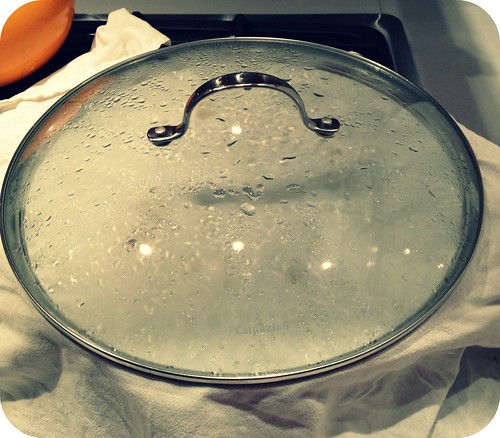
steam

The last cooking step involves steaming the rice with a clean dry kitchen towel. (I've found that pretty much any kind of towel works, just avoid something that's going to leave terry pills in your food. Tea towels or flour sacks are ideal.) Is this essential? If you want perfectly cooked, perfectly dry, discreet grains of rice alongside your chicken, then yes. The steaming time allows the towel, rather than the rice, to absorb any remaining moisture, eliminating any potential for mush.
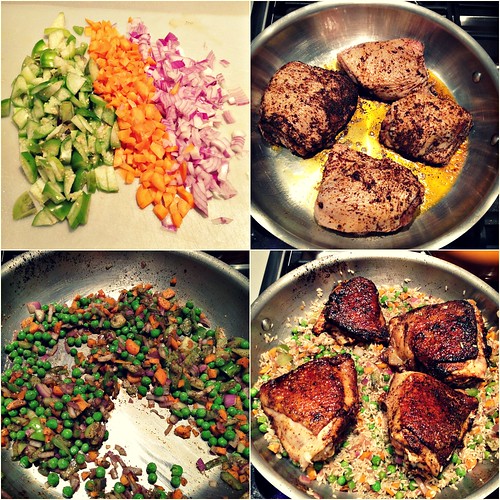
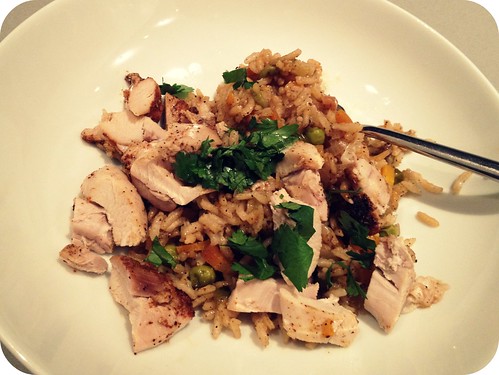
Arroz con pollo collageplated arroz con pollo

Finally: (1) The lime juice is important. Don't skip it. Acid enhances a savory dish like this big time. (2) FAQ: Do you have to use bone-in, skin-on chicken pieces? My Answer: If you want all the flavor that bones and skins afford this dish as they cook and steadily infuse the rice and vegetables with their juicy deliciousness, HECK YES. But. Because I love you and I know you're all afraid of bones and skins (even though that's where the flavor is! this is CHICKEN, folks!), I'm working on a version with boneless, skinless chicken pieces. Stay tuned. In the meantime: you don't have to eat the skin. I don't; MC does.

Arroz Con Pollo
Serves 4-6

2 tablespoons oil, divided
2 – 2 ½ lbs skin-on, bone-in chicken thighs (or 1 whole chicken, quartered) 
2 tablespoons chili powder
2 ½ teaspoons salt, divided
1 ½ teaspoons freshly ground pepper
1 small onion, finely chopped
1 carrot, finely chopped
1 red pepper, finely chopped (or - as in pictures above - a few tomatillos, chopped up a bit)
4 cloves garlic, thinly sliced, or 1 teaspoon garlic powder
1 cup frozen peas (optional, but nice)*
1 2/3 cups white basmati rice
2 ¼ cups boiling water
Juice of 1 lime
Fresh cilantro, sour cream, sliced avocado, and/or salsa, to serve

Using kitchen shears, cut off any large pieces of fat from the chicken. You want enough skin to cover one side of each piece, but you don't need more than that.

In a large bowl, toss the chicken thighs with the chili powder, 1½ teaspoons salt, pepper, and 1 tablespoon oil until well coated. Heat skillet/frying pan over medium heat; add remaining tablespoon of olive oil. Sear spiced chicken in frying pan for 5 minutes on each side. (You can chop your vegetables while chicken is par-cooking.) Remove chicken from pan and set aside.

Bring 2 ½ cups water to boil in a kettle or small saucepan. (You’ll only need 2 ¼ cups, but you might lose a little in the boiling process, so boil more than you need.)

Add onion, carrot, red pepper, garlic, frozen peas (or beans - see note below), and remaining 1 teaspoon salt to pan. Sauté for 5 minutes over medium heat, then add rice. Stir everything for another minute. Place seared chicken thighs on top of rice mixture. Pour 2 1/4 cups boiling water over top. Cover pan, reduce heat to very low, and cook for 30 minutes. Turn off heat (don't forget to do this! I don't want your towel to start a kitchen fire!) and move pan away from burner. Remove cover from pan, quickly place kitchen towel on top of pan, and reseal with lid. Allow to steam for 10 minutes. Remove lid and towel; squeeze juice from half a lime on top of dish. Taste and adjust seasonings as necessary. Serve topped with fresh cilantro and whatever else you'd like.

This keeps well for a few days in refrigerator and gets even more flavorful reheated on days 2 and 3.

* Could substitute a 12.5-oz can of black beans for peas, rinsed and drained well.

Tuesday, November 11, 2014

Omega 3 Salad with Maple-Mustard Vinaigrette

You guys. I don't only eat doughnuts. I swear. I mean, maybe I did make one more batch of baked apple spiced doughnuts with a maple glaze last week.

National doughnut day!

But it was National Doughnut Day. What else was I supposed to do?

When it's not National Doughnut Day. And when it's not family pizza night...

Untitled

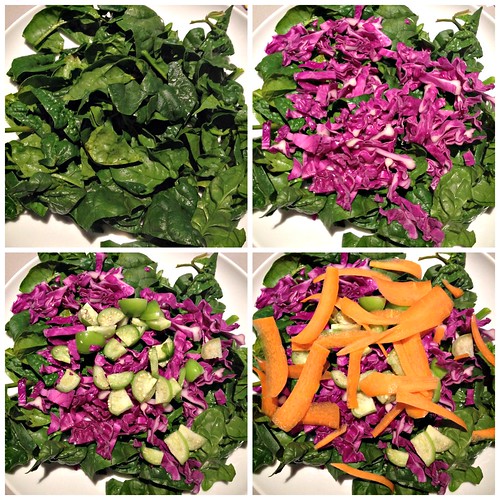
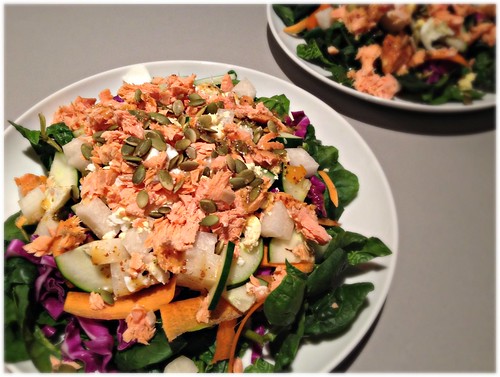
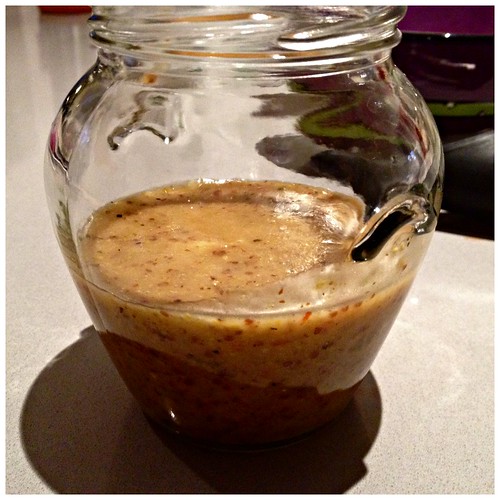
We've actually been eating quite healthily lately. And while healthy food isn't as fun to talk about on the internets as doughnuts, I do have a recent gem to share. It's a salad. A delicious, colorful, texturally-complex salad. I totally hope you make this salad some time. But the reason I made it the way I did was more to use up the last-of-the-farmer's-market produce than to make a rainbow plate of vitamins, minerals, and omega-3 fatty acids. I encourage you to do the same: use what you've got, aim for a good mix of colors and a little to crunch to make your greens more interesting. But MAKE. THIS. DRESSING. It's wonderful and I'm proud of it and it will make whatever you've got in your refrigerator taste like you're at a fancy restaurant.

Salmon Salad just the veggies
Salmon SaladMaple Mustard Vinaigrette

P.S. This salad is best followed by a doughnut.

Omega-3 Salad with Maple Mustard Vinaigrette
Serves 2

For salad
4 cups torn spinach or other salad greens
1 cup shredded purple cabbage (about 1/2 a small head of cabbage)
3 tomatillos* or 1 cucumber or both, coarsely chopped
1 carrot, chopped or ribboned with a vegetable peeler
6 oz cooked salmon, torn into bite-sized pieces
Handful of raw pepitas
A hardboiled egg or two, crumbled

For Maple Mustard Vinaigrette
¼ cup olive oil
2 tablespoons apple cider vinegar
1-2 tablespoons maple syrup (depending on how sweet you like it)
2 tablespoons Dijon mustard or something grainy like Local Folks Stoneground XXpress (my favorite)
½ teaspoon salt
½ teaspoon pepper (or Golden Fig’s maple pepper!)

Put all your dressing ingredients in a jar with a tight-fitting lid. Shake the heck out of it. (Stores well in refrigerator for a few weeks.) Layer salad ingredients on two plates. Season with a little salt. Drizzle about 2 tablespoons of dressing on each salad. Eat it fast so you can have a doughnut.

* Tomatillos aren't just for roasting. They have a nice, mild tartness when raw, and a reliably satisfying texture (unlike tomatoes, they don't get mealy or mushy ever). They are green and sometimes purple. Something pretty and new for a salad. Go for it!

Tuesday, November 4, 2014

Other People's Food Baggage

Two contrasting articles on family dinner recently appeared in New York Times Magazine: The Food Issue. One was by Mark Bittman, and it was pretty much exactly what you'd expect. To paraphrase: "My grown daughters eat essentially everything, have an excellent relationship with food, and cook well. I didn't mean to raise such awesomeness, but there it is. Let's blame food policy for everyone else's children's pickiness." The other one, written by Virginia Heffernan and appearing under a tendentious "Down with Dinner!" headline in the print version of the magazine, is essentially a fiery rant about the nightly horror that Heffernan (and me and you and everyone we know except Mark Bittman) calls "figuring out dinner". She loads up the issue of feeding one's family with a bunch of feminist lip service and ultimately settles on the following rhetorical question as her thesis statement: "Cooking! Aren't we past that?" The article is framed - awkwardly and unfairly - as a critique of what Heffernan labels "the latest avalanche of family cookbooks", many of which were authored by home chef bloggers. The food blogosphere's response to Heffernan's piece has been - fittingly and fairly - critical.

Here's the thing.

I love me some Mark Bittman. This more recent piece by him - it eloquently delineates all the things I ineloquently obsess about all day long. I mean seriously. The man makes me want to change the world, one organic apple at a time.

But the topic of feeding one's family is harder for most people than it seems to be for Mr. Bittman - and it's on my mind a lot. Further, at least according to the internets and the "food baggage" component of my classes - during which everyone talks about what gets them in the kitchen and keeps them out and why they eat the way they do now versus five years ago, et cetera - it's on the minds of a lot of people. Whether we love cooking or find cooking a troublesome chore or both, whether we use food to express our identity as coming from somewhere or going somewhere - on that topic, check out this brilliant article from The New Yorker - feeding others is hard. Maybe a rewarding hard (at work, or at home when I'm making pancakes), maybe a thankless, demoralizing hard (at home when I'm not making pancakes), probably depends on who you're feeding. But hard. Full stop.

Heffernan's article is unpopular because she took the low-blow route a few too many times and went pithy-sassy-extremist in her effort to be publishably humorous. (Publishably's not a word but it should be.) Ultimately though, I found her points highly relatable. Her clever joke about the soy vs. cow's milk dilemma? SPOT. ON. We've all been overwhelmed by the complicated, contradictory information we get about what to eat and why. Beyond eating more vegetables (other than nightshades, and only after massaging them), it's all rather confusing.

So go read those articles and cut Heffernan a break. You know you know what she's on about. And there's no shame in that. These are good problems to have. And we can't all be Mark Bittman.

Friday, October 24, 2014

Overnight Pumpkin Chocolate Chip Pancakes
(vegan, gluten free, need a VitaMix)

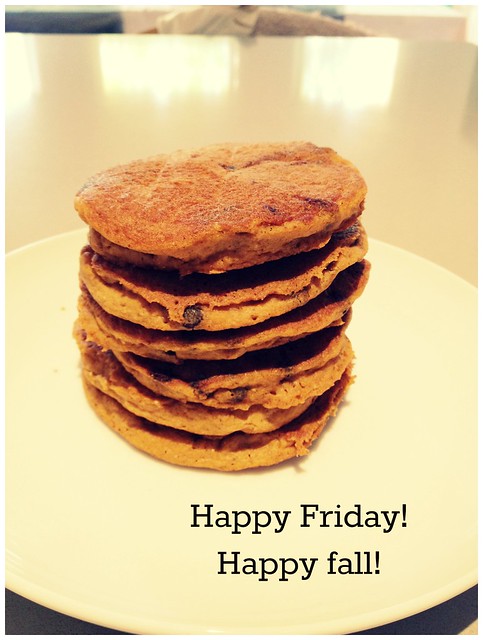
Happy Friday! Lately, Fridays have been for pancakes. Here, I'll show you:

stacked

What better way to say hooray!-to-72-hours-free-of-pitch-black-mornings-and-homework-complicated-afternoons? There isn't a better way if your pancakes have chocolate chips in them.

These are another batch of my blender pancakes, this time made with a trio of whole grains, a can of pumpkin puree, some molasses and baking spices to embrace the season (note: Fall 2014 has been an easy season to embrace here in Minnesota), and chocolate chips. Naturally.

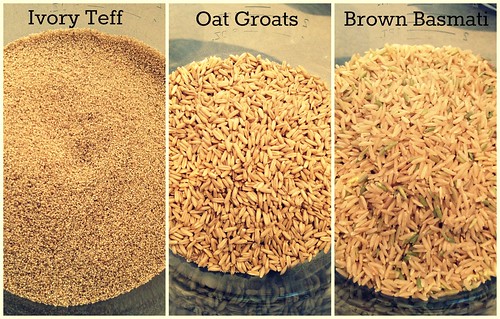
Here's what my trio of grains looked like:

Whole Grains

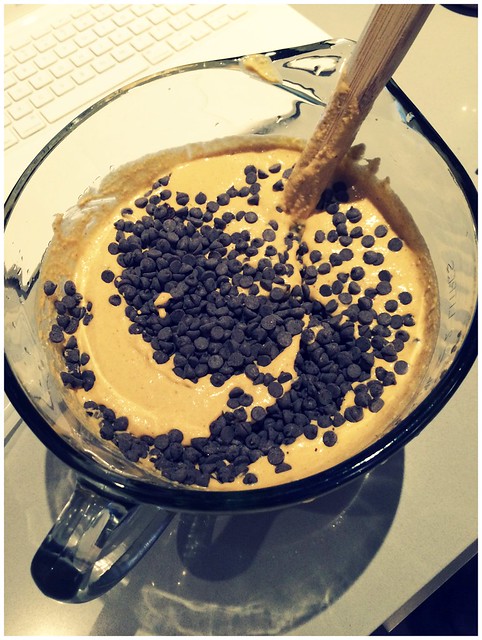
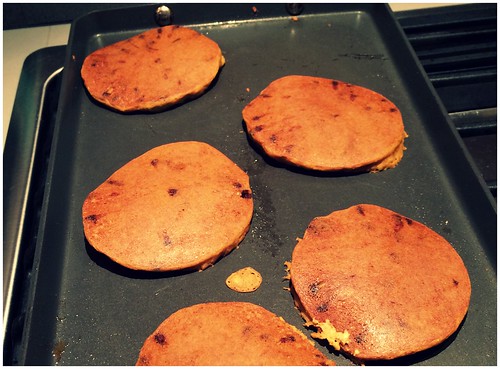
And here's the rest of the process:

Just add chocolateIn the skillet

Ugh! Edith! I don't have a VitaMix and why on earth would I blend whole grains?! 

Fine. Make these equally delicious oatmeal pancakes instead. We had them last Friday. 

Pumpkin Chocolate Chip Pancakes (Gluten-Free and Vegan)
Yield: about 20 five-inch pancakes

1 1/4 cup brown rice*
3/4 cup whole oat groats, raw buckwheat groats, sorghum, millet, teff, or a combination*
2 tablespoons apple cider vinegar
--------------
1 can pumpkin puree (or 1 1/2 cups homemade)
1 cup water or milk/non-dairy beverage
2 tablespoons ground flax seed
2 tablespoons oil
1 tablespoon maple syrup or other liquid sweetener
1 tablespoon molasses
1 teaspoon vanilla
1 teaspoon apple cider vinegar
1 teaspoon salt
1 teaspoon cinnamon
1 teaspoon pumpkin pie spice or something similar
--------------
2 teaspoons baking powder
1 cup mini chocolate chips (optional, I suppose)
--------------
Oil or butter for frying

Day 1: In a large bowl or measuring cup, cover whole grains with water by about 2 inches. Add 2 tablespoons apple cider vinegar and soak for 8-24 hours.

Day 2: Drain the grains, rinse them in a fine sieve, and pour them into your blender. Add the remaining ingredients, except for the baking powder, and blend until smooth. Pour batter into a large measuring cup or bowl. Sprinkle batter with baking powder and whisk until it's thoroughly incorporated. Add chocolate chips, if using, and stir.**

Heat a skillet or griddle over medium heat. Grease skillet with oil or butter. Add 1/4-cupfuls of batter to pan and cook for a couple minutes over medium heat and once bubbles begin to form, flip and cook another minute or two.
---------------

* Note regarding grains: You just need a blend of a bunch of sturdy grains and a smaller bunch of less sturdy grains, totaling ~2 cups. So, if you want to use something like millet or quinoa, which are a little more delicate, try 1 1/4 cups brown rice and 3/4 cup millet, quinoa, or a mix. But if you're using something else chewy and sturdy, like oat groats or sorghum, you could go half-and-half or just use 2 whole cups of oat groats. This morning, I used the following: 1/2 cup ivory teff (only use this if your sieve has VERY fine mesh), 1/2 cup oat groats, 1 cup brown basmati rice. Delicious. All grains hydrate a little differently, so have a little extra liquid on hand to thin out batter as needed.

** Note regarding liquids: Make sure the batter isn't too thick if you don't want overly doughy pancakes. Thinner batter firms up more evenly. Once you've blended everything and stirred in your baking powder and chocolate chips, if the batter needs a little loosening up, add water or milk, 2 tablespoons at a time, until you get a more traditional pancake batter consistency. That's what we're after, but when you're working with whole grains and flax seeds and pumpkin puree and molasses, a little finessing might be in order.